


Water Damage Cleanup in Fort Worth, Texas
A burst pipe, appliance leak, failed sump pump, roof leak, or storm can send water into floors, walls, ceilings, and finished basements. Our team provides water damage cleanup by removing standing water, finding hidden moisture, and limiting further damage to your property.
We help homeowners, landlords, property managers, and commercial property owners in Fort Worth. Our technicians work in homes, rental properties, condominiums, offices, retail spaces, warehouses, and other occupied buildings. We plan the work around tenants, shared walls, stored contents, and areas that still need to remain usable.
We start with an assessment instead of guessing from visible damage. Our team checks the source and the path the water took, documents affected areas, and explains the next steps. Moisture mapping helps us look behind baseboards, under flooring, inside cabinets, and above ceilings. Older homes in areas such as Fairmount and Mistletoe Heights may also have narrow crawl spaces or aging drain lines that require careful inspection.
Need Restoration Help in Fort Worth? Call (682) 503-7545
How We Handle Water Damage
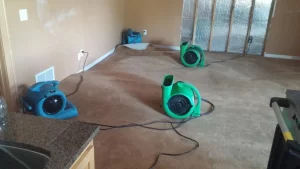
We first address the source when it is still active, then remove standing water with professional extraction equipment. Air movers and dehumidifiers support controlled structural drying. Our technicians use moisture meters to monitor affected materials and adjust equipment as readings change.
Drying decisions depend on the condition of the carpet, pad, flooring, subfloor, drywall, insulation, cabinets, framing, and contents. Some materials can be cleaned and retained. Others need removal because they no longer support a sound finish. We document these conditions so repair planning is based on what the property needs.
Commercial Water Damage Cleanup
A leak in an office, retail space, warehouse, or multifamily building can affect equipment, inventory, loading areas, and several occupied spaces at once. We coordinate access, equipment placement, occupant safety, moisture documentation, and work areas so unaffected parts of the property remain usable whenever the condition allows. Downtown Fort Worth buildings may also have limited loading or parking space, which makes staging and debris removal part of the cleanup plan.
Water Damage Risks for Fort Worth Properties
Fort Worth properties face different water-loss conditions across the city. Older central homes may have aging plumbing and hard-to-reach crawl spaces. Newer homes often have larger floor plans, attached garages, and finished areas where water can spread before it is noticed. Spring thunderstorms can also bring heavy rain and flooding near low areas, while summer heat can worsen odors after moisture remains indoors.
Our team provides water removal, water extraction, cleaning, structural drying, and repair planning for property owners in Fort Worth and nearby Haltom City, North Richland Hills, and Benbrook. Prolonged moisture can create conditions that require mold removal. Water from fire suppression or a fire-related loss may require a different cleaning plan, including fire damage cleanup.
Our IICRC certified techs provide 24HR response and keep you informed as the work moves forward. Contact our team to discuss the loss, protect affected areas, and plan the next step for your property.
For immediate help with water damage in Fort Worth, call (682) 503-7545 to discuss what happened and the next steps for your property.
Water Damage Cleanup Pricing
Water damage cleanup pricing depends on the source, affected areas, materials, and work required. After the assessment, we explain the recommended scope before the restoration work moves forward.
- Small water loss: $1,000–$3,000
- Moderate water loss: $3,500–$7,500
- Large water loss: $7,500–$15,000+
These prices are general reference points and are not a quote or estimate for a specific property. Actual restoration costs depend on the source and category of water, affected square footage, materials involved, length of exposure, equipment needs, demolition, cleaning, drying time, and repairs. A complete price estimate requires an onsite inspection because the final scope depends on the actual conditions at the property.
Frequently Asked Questions
What should I do first after water damage?
Stop the water source if it is safe to do so and keep people away from electrical hazards or unsafe areas. Then contact our team so we can assess the loss, remove standing water, and begin moisture documentation.
What causes water damage in Fort Worth homes?
Common causes include burst pipes, appliance leaks, roof leaks, plumbing failures, failed sump pumps, and heavy rain. The source affects the cleanup plan and the materials that need inspection.
Do you remove standing water?
Yes. We use water extraction equipment to remove standing water before controlled drying begins. Removing water early helps limit damage to flooring, drywall, cabinets, and other materials.
How do you find hidden moisture?
We use moisture meters to check areas that may not look wet, including behind baseboards, under flooring, inside cabinets, and above ceilings. We document readings to guide drying and repair decisions.
Can damaged flooring or drywall be saved?
Sometimes. We inspect each material and consider its condition, moisture exposure, and ability to support a sound finish. Materials that cannot be properly cleaned or dried may need removal.
Do you help with commercial water damage?
Yes. We help commercial property owners and managers plan access, equipment placement, occupant safety, documentation, and scheduling around active business areas.
Can water damage lead to mold?
Prolonged moisture can create conditions that require mold removal. Controlled drying, moisture monitoring, and prompt cleaning help identify affected areas and guide the next step.
What happens after the water is removed?
We continue drying and monitoring affected materials, then clean the area and review repair needs. The repair plan may include drywall, trim, paint, flooring, cabinets, or other affected finishes.